
Last Updated on March 2, 2026, 1:53 pm ET

On the occasion of the 13th annual Fair Use Week, ARL and Re:Create teamed up to host a panel of legal and policy experts from libraries and civil society—moderated by Re:Create Executive Director Brandon Butler—to showcase how communities of libraries, researchers and authors of all stripes, journalists, and creators rely on fair use.
For 50 years fair use has stood as an integral part of the US Copyright Act, allowing for the use of copyrighted materials without permission, at no cost. While fair use has been a statutory right for 50 years, it has been a part of how courts apply copyright law since at least 1841. Fair use is in the spotlight these days because it’s recognized as crucial to AI research and development. But as experts on the panel highlighted, the same fair use rights are available to a diverse array of communities engaged in promoting progress. The flexibility of fair use accommodates uses like computational research, critique, and teaching and learning, all grounded in the same basic principle.
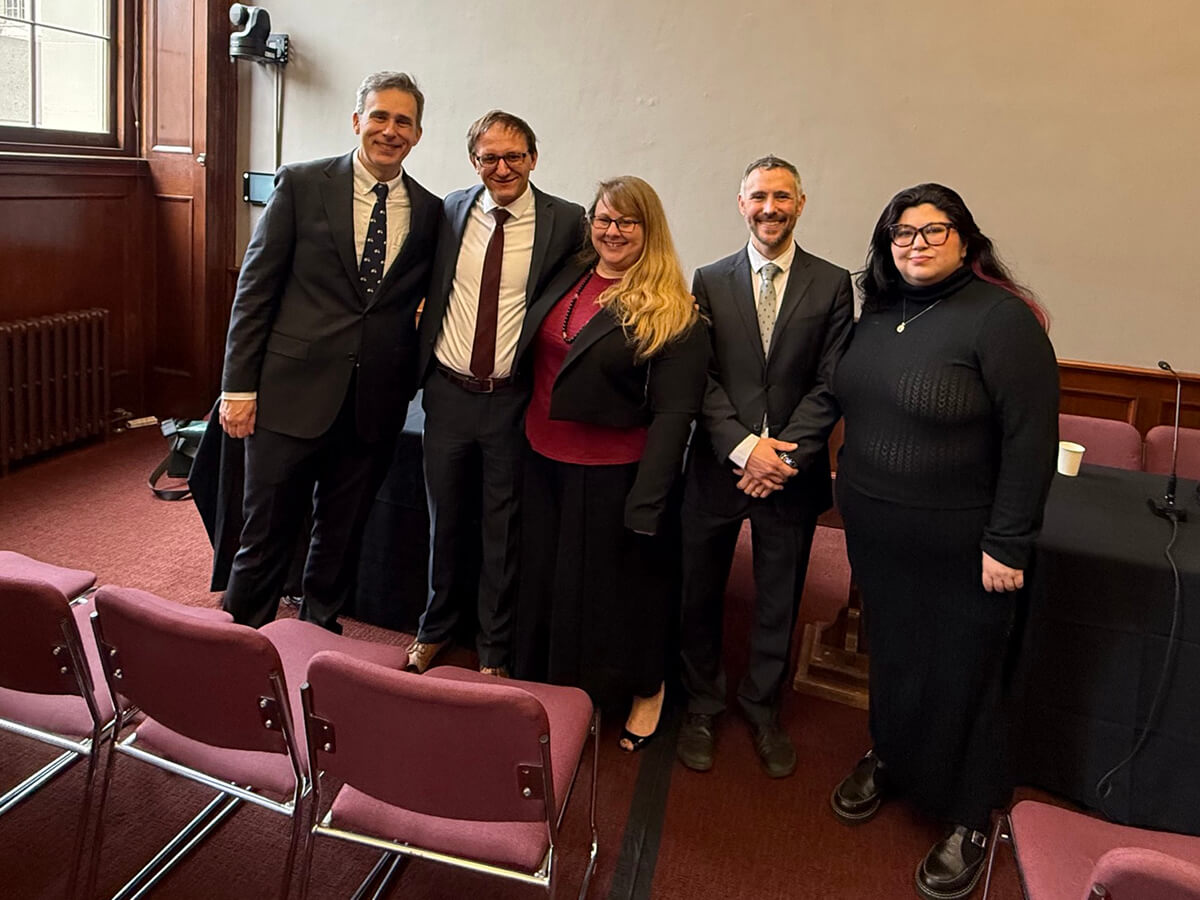
Panelists also explored the relationship between fair use and attribution, including when and how new fair uses like AI training can be expected to provide reasonable attribution. While copyright can seem like a useful legal tool to address concerns about AI-related attribution, panelists explained that flexible community norms are better equipped to handle such questions. For instance, researchers have long developed their own attribution practices, which vary from discipline to discipline. Filmmakers and fan fiction writers have ethical norms around sharing credit and appreciation, as well. Journalists rely on linking to sources to build credibility and validate their reporting. While judges can, and have, flexibly considered these community norms as part of a fair use analysis, copyright should not wholesale adopt one community’s norms for attribution and apply them beyond their original context.
I couldn’t help but reflect on how the conversation about community norms came full circle back to where Fair Use Week began—as an outgrowth of ARL’s Code of Best Practices in Fair Use for Academic and Research Libraries. The Codes are consensus-based guidelines on applying fair use, each one grounded in the norms of librarians, journalists, documentarians, and other communities who developed them. Fifty years after its codification, community practices remain central to how fair use is interpreted and applied.
As Brandon Butler observed after the panel, this flexibility is crucial to fair use’s success, which is in turn crucial to the flourishing of both creativity and innovation, but we shouldn’t let the diversity of fair users obscure what they have in common: “Fair use is a single, unified right big enough to contain muckraking journalism and pathbreaking computational research, serious digital preservation and hilarious parody, and the rights of every fair user are strengthened when they recognize their solidarity with the others.”