
Last Updated on May 12, 2026, 3:19 pm ET
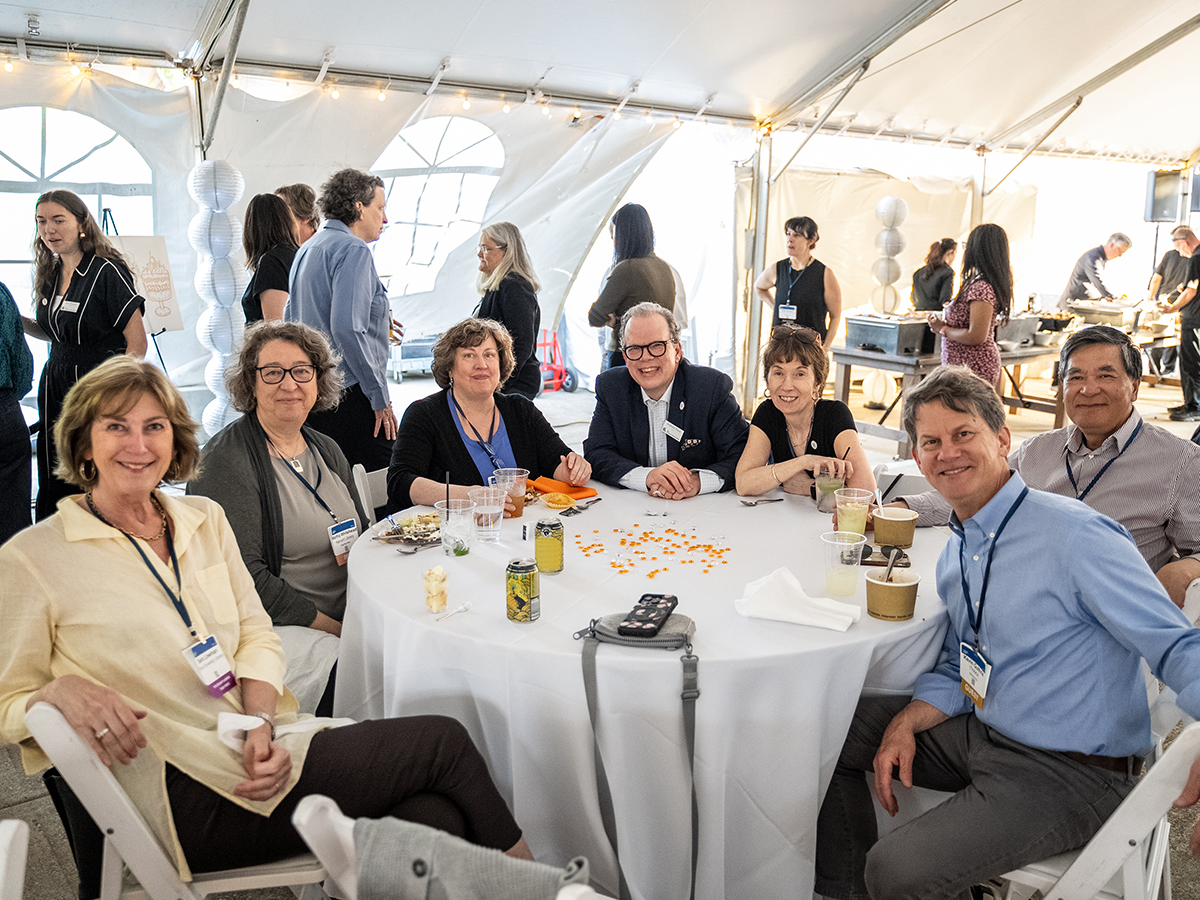
The Association of Research Libraries (ARL) convened for its 188th meeting in Knoxville, Tennessee, at the end of April. Attended by the representatives of ARL’s member libraries as well as invited guests and speakers, Association Meetings are twice-yearly opportunities for research library leaders to meet in person to advance the strategic priorities of ARL, to interact with experts from adjacent spaces in the knowledge sector, and to learn from and with one another as peers. In consideration of pervasive financial, geopolitical, and technological disruption in research, cultural heritage, and higher education, the Program Planning Task Force chose the theme of adaptation for this year’s meetings. This theme will carry forward when the Association meets again in October.
Adaptation is both a process and an outcome. Programming and peer-to-peer conversation at the Spring 2026 Association Meeting reflected our shared sense of heightened uncertainty and ambiguity. In keynotes, panel discussions, and breakout sessions, speakers and participants alike called for sustained foresight planning and mutual preparedness for the unknown. They noted that while the dust hasn’t settled on much of the disruptive forces, adaptation is a way through and a desired end-state for institutions committed to education and creation, stewardship, and access to knowledge.
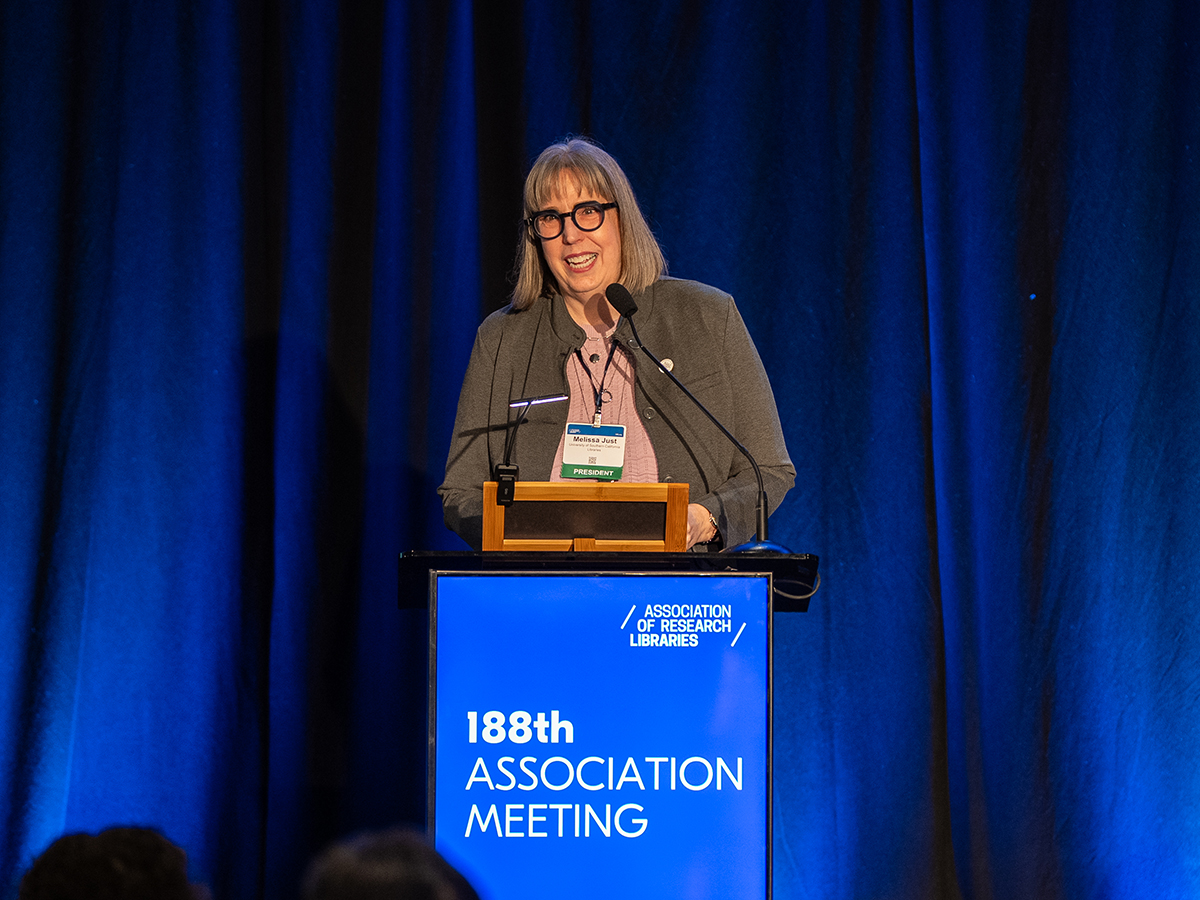
Over the next few months, lessons from our time together in Knoxville will help inform the development of our next Action Plan for the Association. In that new plan, ARL will convey where we can make the greatest impact to advance our mission. ARL is also pleased to welcome two new member institutions, voted in at the Spring Meeting and effective July 1: Mississippi State University Libraries and the University of Nevada, Las Vegas (UNLV) University Libraries.
The Association Meeting operated under the Chatham House Rule. Key takeaways include:
1. Trust is our greatest asset, and trust underpins our ability to lead through upheaval.
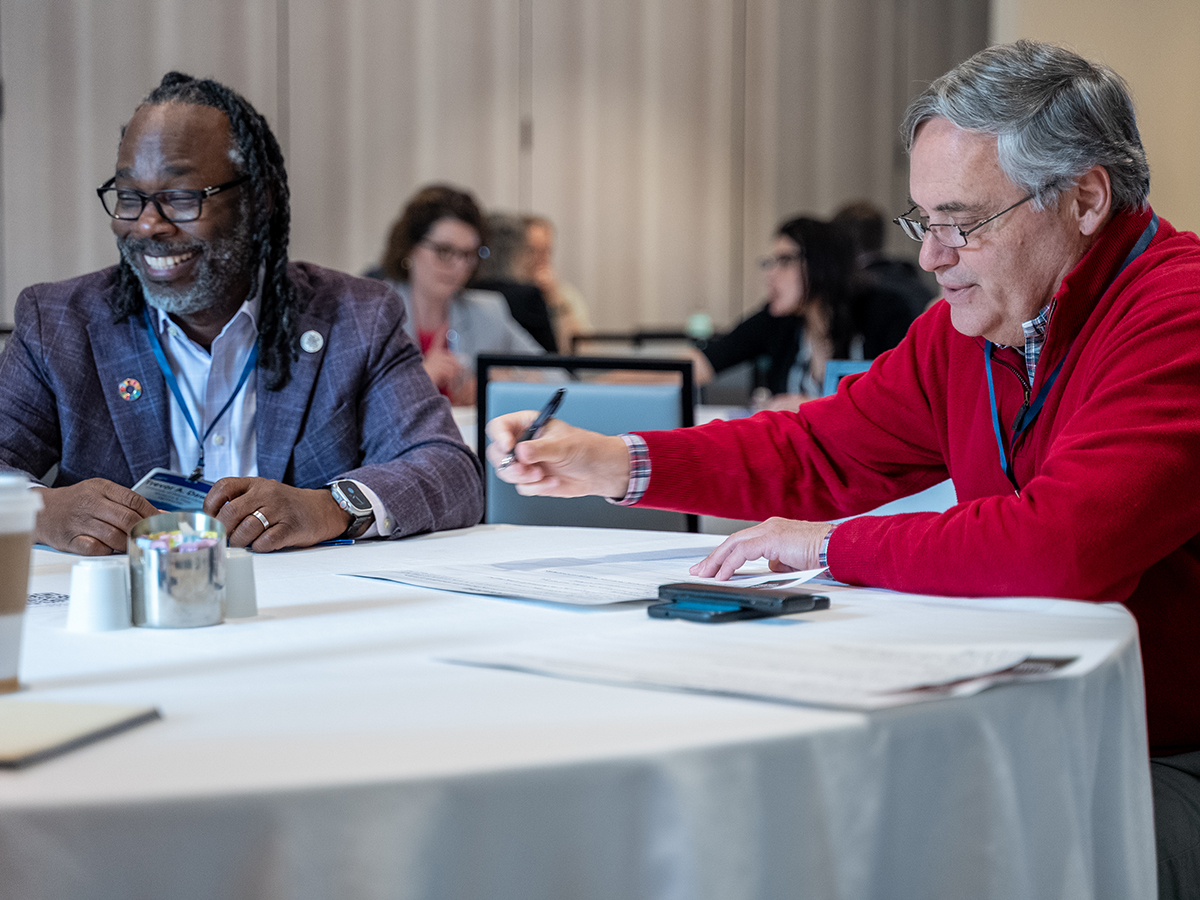
The public’s trust is one of the most important assets for any library. Trust is required to build meaningful and productive relationships between scholars and community institutions, and trust is conferred on libraries to manage access to open scholarly and creative content in a world of badly behaved bots. Throughout the meeting and its closing program, which explored the ongoing scrutiny of higher education as a sector that has arguably lost the trust it once enjoyed, participants discussed the adaptive power of trust throughout our time together.
2. Strong social, technical, and relational infrastructure is a key component of adaptive strategy.
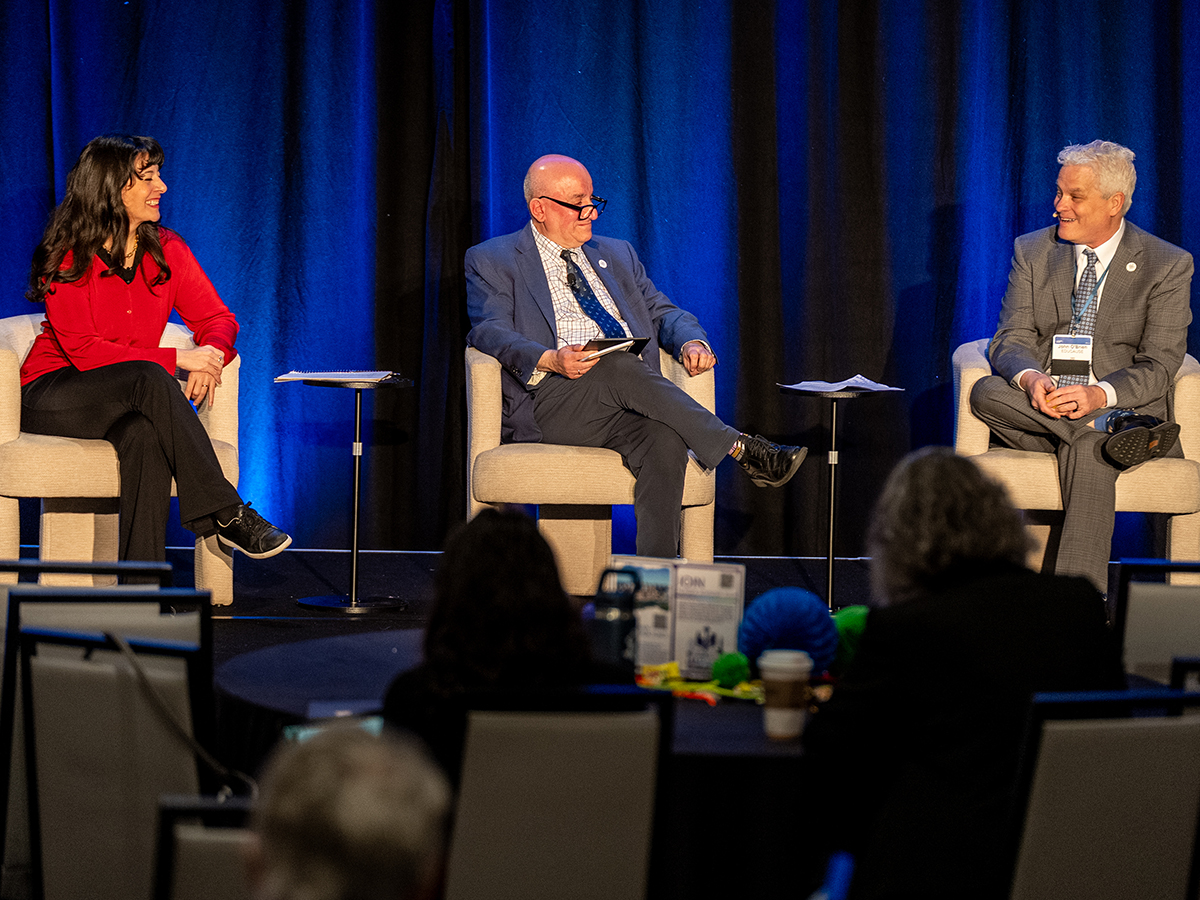
A panel discussion about digital transformation with CNI Executive Director Kate Zwaard and EDUCAUSE President & CEO John O’Brien surfaced the critical importance of investing in infrastructure, and this insight carried through subsequent discussions. Institutions that are making fit-for-purpose use of artificial intelligence are doing so because they first attended to basic enabling infrastructure—including data, analytics, and governance. One crisis after another over the past decade has demonstrated that (1) crises are compounded by an underinvestment in infrastructure, and (2) technology is a strategic asset in higher education.
Throughout the meeting, speakers and participants also underscored the importance of social and relational infrastructure—from the integrative CIO who succeeds by making connections across the institution, to the library deans and directors who maintain strong relationships with their peers in academic and research computing, offices of research, and beyond.
3. Documentation and preserved memory are critical to progress.
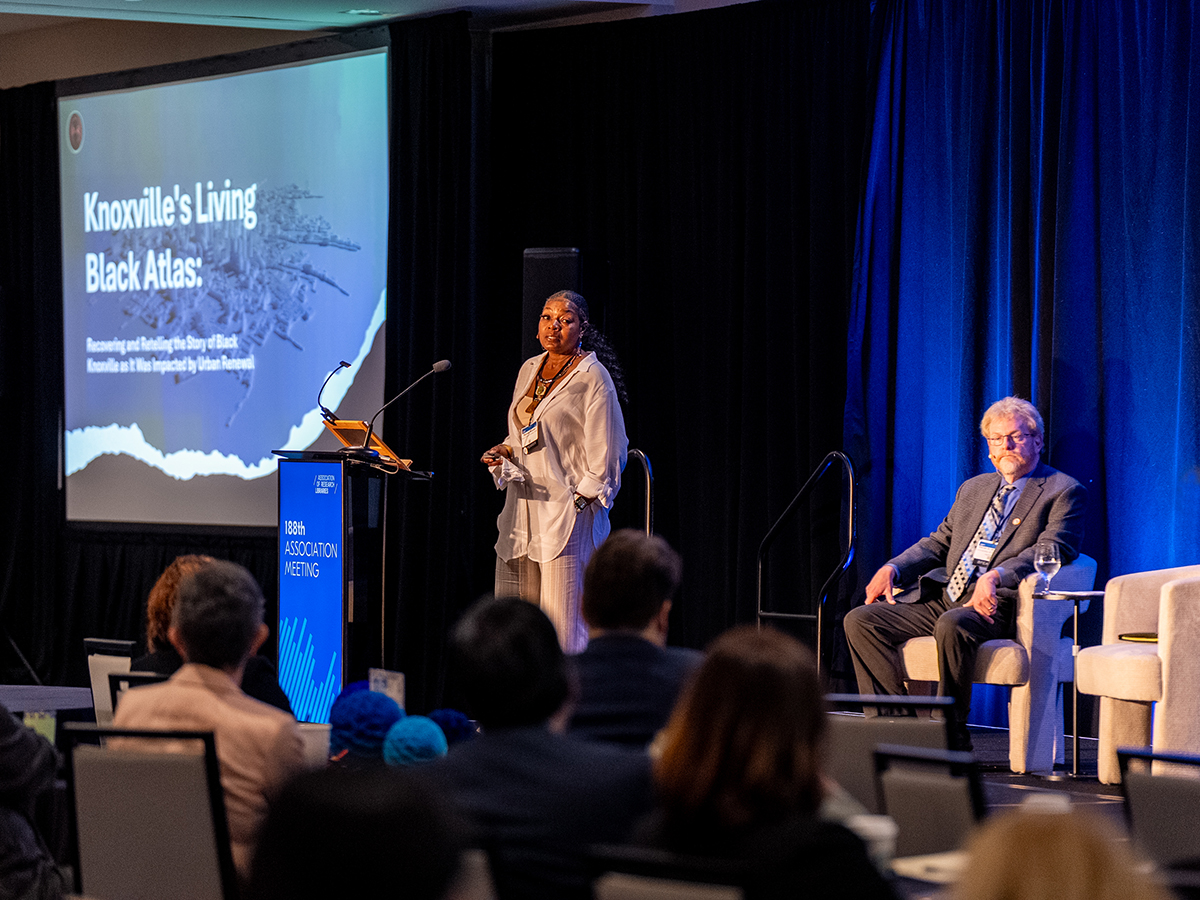
The meeting opened with an exemplar of community-engaged scholarship: The Living Black Atlas. To ground participants in the place of Knoxville, where we convened, Chancellor’s Professor Derek Alderman (University of Tennessee Department of Geography and Sustainability) and Reverend Reneé Kesler (President, Beck Cultural Exchange Center) introduced the audience to their collaborative, restorative cartography work. Together, faculty and students at the University of Tennessee, community members, and the Beck Center recover and create through maps the story of the Black community in Knoxville displaced by urban renewal. Education, public accountability, and revitalization are clear objectives of this remarkable project, which emerges from a rich tradition of Black mapmaking as a tool of adaptation and resistance to erasure.
The Living Black Atlas is a demonstration of the importance of genuine community partnership in memory work, and of leveraging technology in storytelling and knowledge stewardship. Throughout the meeting, participants discussed how research libraries have deep and distinguished special collections presenting new opportunities and complex challenges in how those collections are built, preserved, and made visible using new technologies.
4. As law and policy are contested, communities enforce and reinforce norms and ethics.
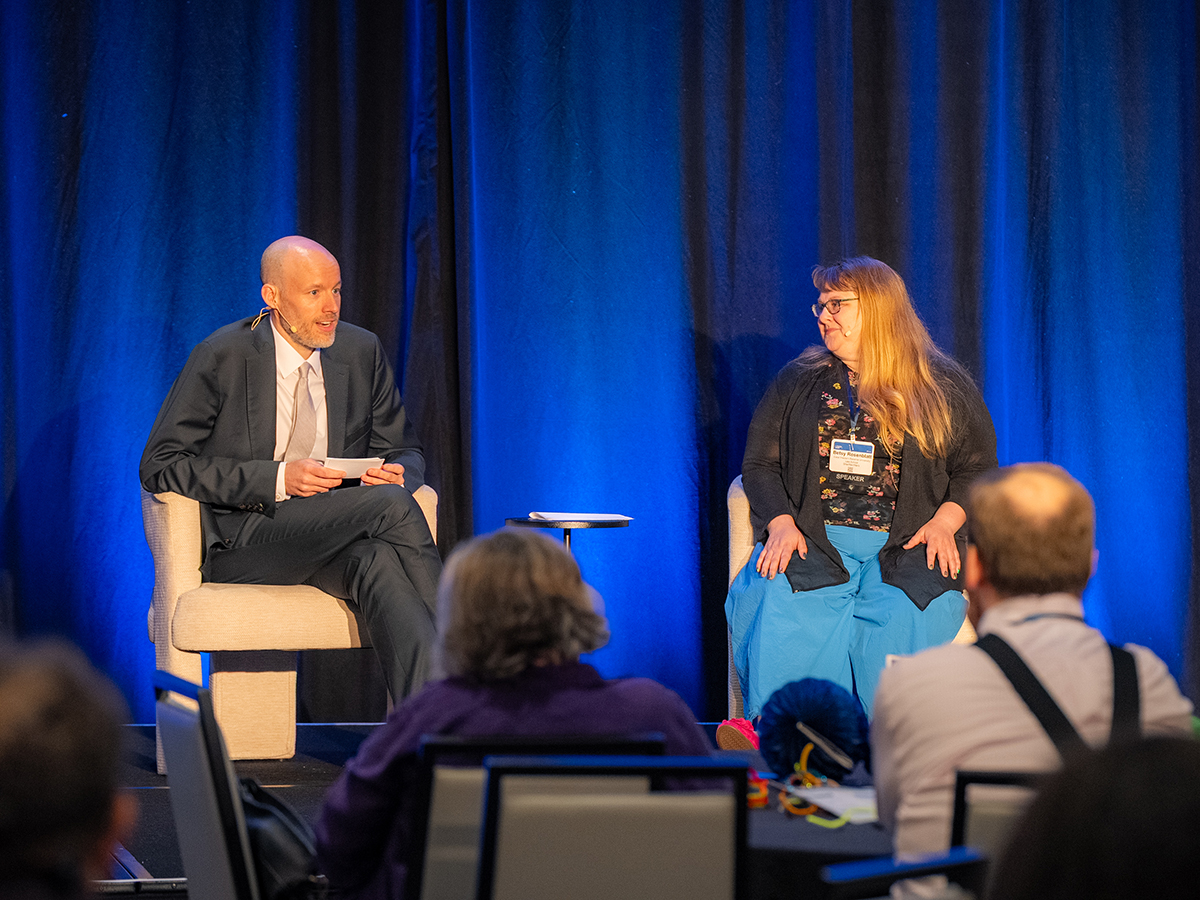
The Spring Meeting devoted most of an afternoon to the tensions and emerging frameworks for stewarding open content in the age of artificial intelligence. This is an issue animating the research library community as it endeavors to adapt to technological change. Peer-led breakout discussions created space to share strategies and policies regarding bot traffic and content-scraping. Betsy Rosenblatt, an intellectual property expert on the faculty of Case Western Reserve University Law School who works closely with creators of fan fiction, presented her scholarship and experience on the collision of law, ethics, and community norms.
Like many researchers and scholars, fan fiction creators are passionate contributors to tightly knit communities who never imagined how their works might be used in the manner and at the scale of generative AI. These communities share strong in-group norms for how their works ought to be created and used. What ethical frameworks are appropriate for knowledge stewards to make decisions about collections under our care, and to engage with creators who have a range of perspectives on AI? In addition to providing an ongoing forum for the ARL community to convene around this issue, and to engage in its own norm-setting, the Spring Meeting left us with important provocations: (1) leaders need to navigate with a certain amount of legal uncertainty and ambiguity, (2) the importance of balancing respect for creators with the value of a maximally inclusive corpus of information, (3) we can’t wait for 100+ lawsuits to resolve before establishing values-based norms for the library community.
Finally, even in cases where the law is clear, such as with repatriation of Indigenous human remains, funerary objects, sacred objects, and objects of cultural patrimony, the cultural heritage sector has additional ethical and duty-of-care obligations. A panel of experts in the US and Canada spoke to law, ethics, and the relational work for our sector in complying with the law of repatriation.
5. Our institutions need a readiness framework for all manner of crises and chronic disruption.
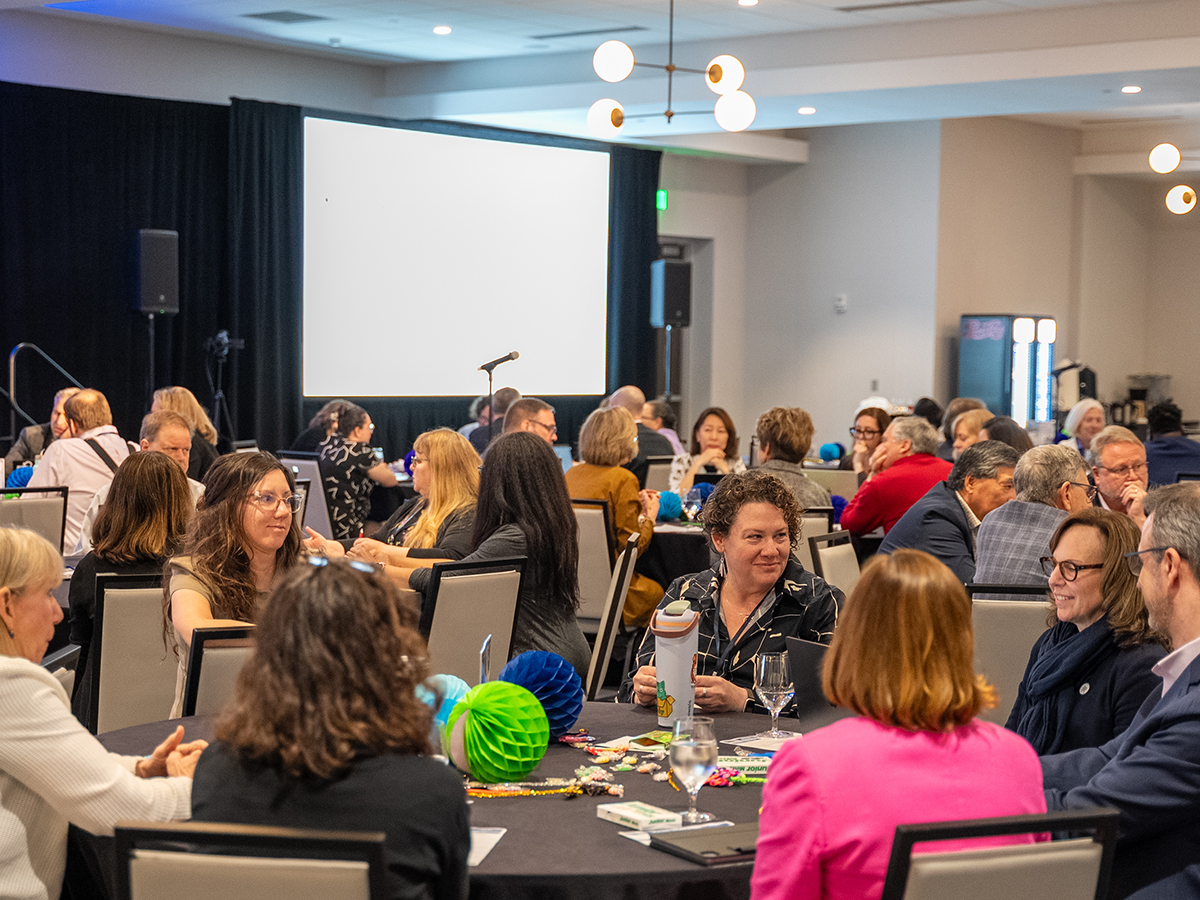
With many references to crises as general context for the theme of adaptation, one breakout discussion focused on climate-related disruption and its impact on libraries and their institutions. Fire and flood events are becoming more frequent in certain areas, presenting disruptive, expensive, and recurring challenges for leaders responsible for people, services, collections, and communities. The discussion underscored the importance of institution-wide policies and communication, the potential of collective or networked assistance when an entire region is affected for a prolonged period, and the need for norm- and level-setting for service expectations in the wake of a crisis.
6. Disruption in higher education is global, and so are lessons and possible new models for the future.
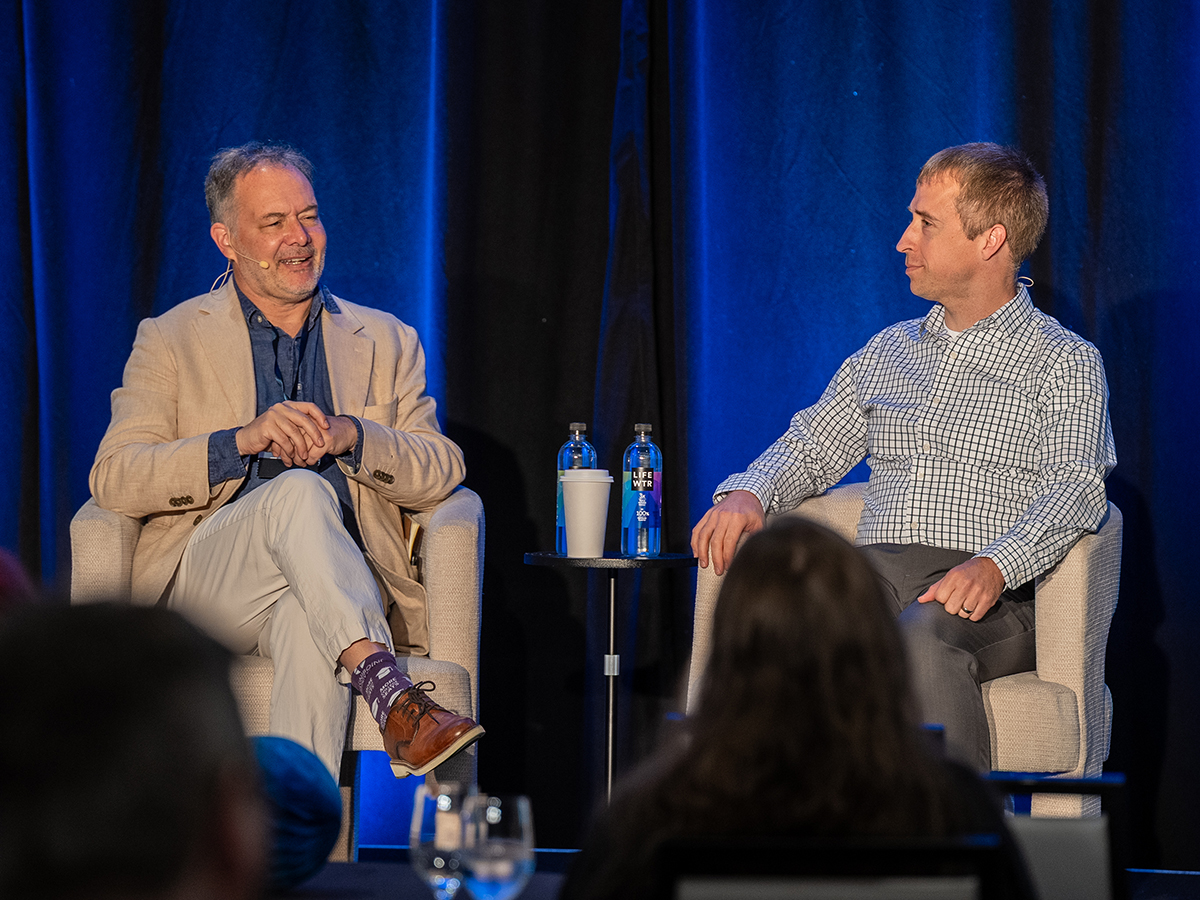
Experts in higher education policy in the US and Canada, Robert Kelchen (University of Tennessee) and Alex Usher (Higher Education Strategies), took the stage on the last day of the meeting. Their conversation surfaced a range of challenges and made sense of them in a global context. The upshot? Adaptation for this sector—particularly in North America—at this time is speculative, time-consuming, and hard. With loss of national and provincial revenue and a severe curtailing of international enrollment on both sides of the border, universities are looking at cost-side solutions after decades of relying on revenue. China’s dominance in the shift of global investment in science has been rapid, preceding the current US administration but exacerbated by it. Kelchen and Usher also reminded the audience that trust in higher education exists in an overall context of declining trust in institutions writ large, with complicated geo-political dynamics at play.
Globally, it will be interesting to watch the enormous financial investment South Korea is making in postsecondary education and what unfolds in Hungary post-Orbán. In the US and Canada, understanding and articulating the contribution of higher education to the larger knowledge economy is critical to public support and investment.
7. Consider the sustainable power of a universal goal, and the genius of Dolly Parton.
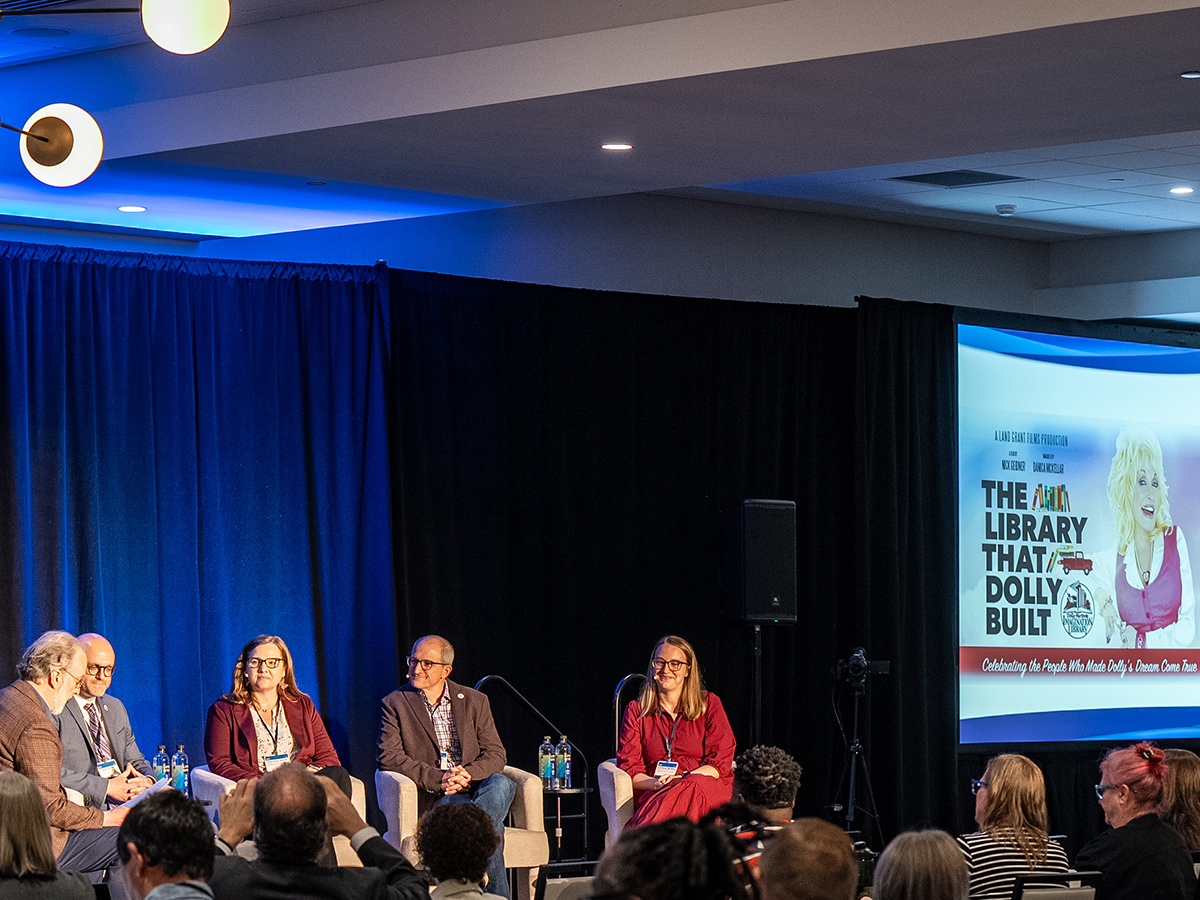
Foundation staff and documentarians who created the film The Library That Dolly Built shared the astonishing scale and success of Dolly Parton’s Imagination Library, a childhood literacy program serving preschool-age children with direct mailings of books. This book-gifting program, originally designed in 1995 to inspire a love of reading and learning for all preschool children in Sevier County, Tennessee, now enrolls one of every six children under the age of five in the US to receive a new Imagination Library book from Dolly each month. The Dollywood Foundation funds and provides the infrastructure of the core program. Local partners are responsible for enrolling children who live within their area and securing funds to cover the costs of the books, postage, and packing for those children. The benefits of the Imagination Library are deeply personal. When a family’s child “graduates” from the program, they receive a personal note of congratulations along with a copy of “Look Out Kindergarten, Here I Come!”
What makes a program like this both sustainable and politically popular? The lessons for research libraries include: (1) a laser focus on a universal goal, in this case, improving childhood literacy; (2) deep and meaningful local partnerships with relationships to the community and financial co-investment in the endeavor; (3) outreach to and education of state legislators on the benefit to their communities and constituents; and (4) a deeply personal connection between the program and the people it serves. The Imagination Library is a tremendous case study demonstrating that a universal benefit can both address inequality and create widespread feelings of belonging.
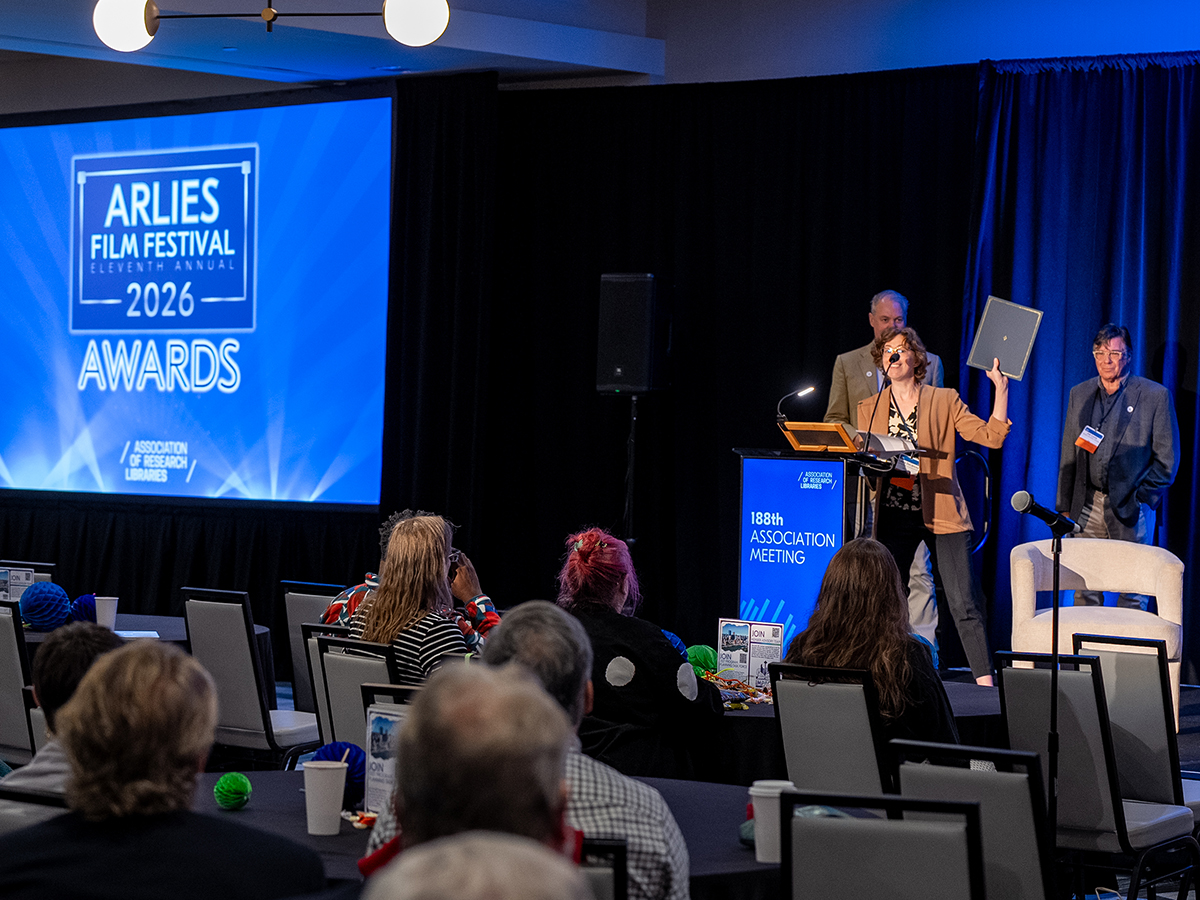
Finally, our appreciation to all who submitted films to the 11th annual ARLIES film festival, and congratulations to this year’s winning films. Through the ARLIES, members inspire one another with their creativity, humor, and passion for their staffs, students, collections, and communities. And many thanks to our 15 hosts for making this meeting possible: The University of Alabama Libraries; Auburn University Libraries; Duke University Libraries; University of Georgia Libraries; Georgia Tech Library; University of Kentucky Libraries; Louisiana State University Libraries; University of Louisville Libraries; NC State University Libraries; University of South Carolina Libraries; The University of Tennessee, Knoxville Libraries; University of Texas Libraries; Vanderbilt University Heard Libraries; Virginia Tech University Libraries; and Oak Ridge National Laboratory Research Library.