

Last Updated on December 19, 2024, 1:55 pm ET
Gaining an estimate of institutional expenses for research data services is essential for academic institutions. By quantifying these expenses, institutions can better guide researchers in budgeting for data management and sharing within grant-funded projects, while also enabling more strategic investments in services and infrastructure to uphold research integrity. This can help institutions build a sustainable foundation to support the evolving demands of research. In October, the Association of Research Libraries (ARL) kicked off the next phase of the Realities of Academic Data Sharing (RADS) initiative, in which seven new institutions joined the project in order to better understand their institutional research data services expenses.
| Research integrity refers to the adherence to ethical principles and professional standards in the planning, conduct, and reporting of research, thereby ensuring accountability, transparency, and reproducibility. Libraries play a critical role in supporting research integrity by providing education on responsible research practices and curating research outputs, to name just a few responsibilities. |
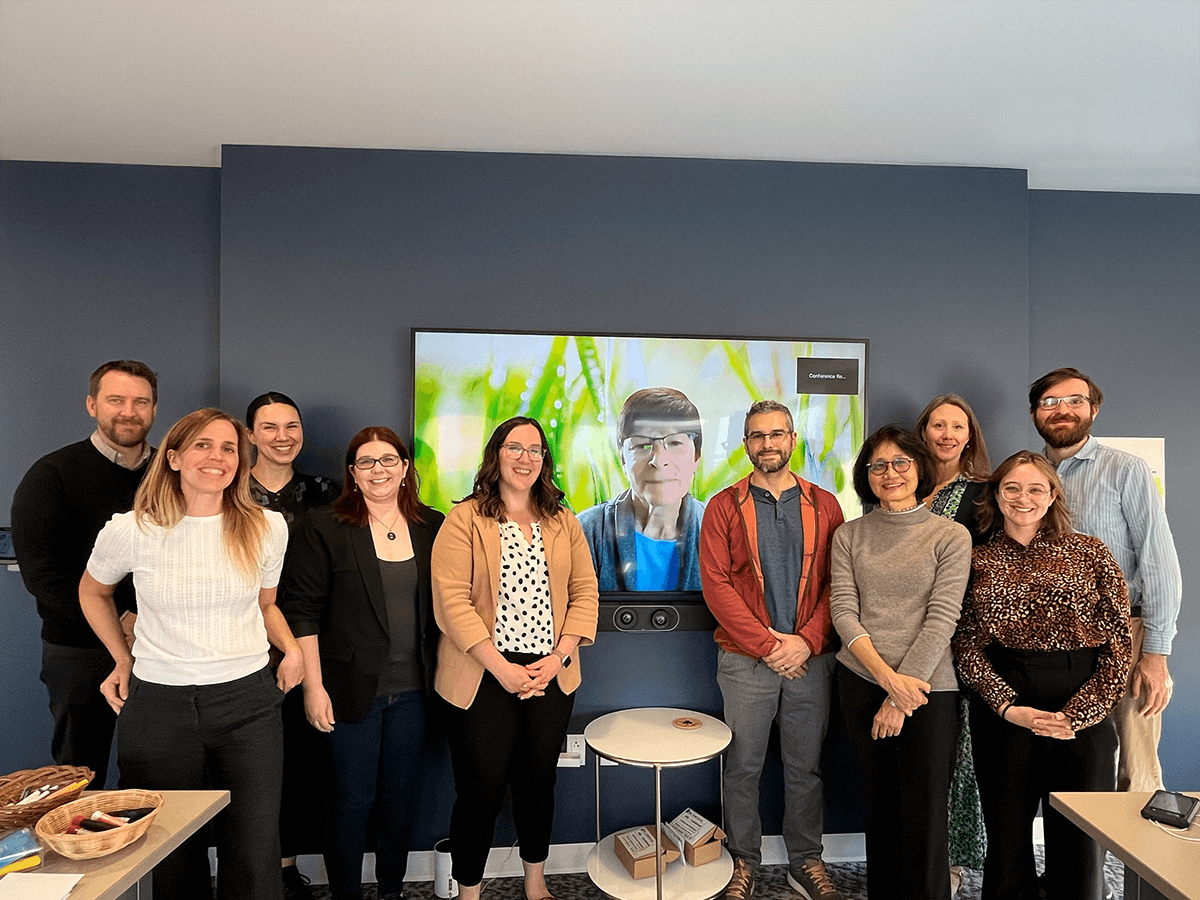
Research leads from the seven academic institutions met, each contributing insights into the nuances and practices of their respective research data management and sharing (RDMS) service models. Additional workshop sessions centered on identifying key campus partners and how results can inform an overall institutional strategy to lessen researcher administrative burden while accelerating open research practices to further enhance research integrity. Rather than focusing solely on immediate compliance with data-sharing mandates, participants emphasized using this moment to build capacity for the future. By aligning institutional and library strategies for research data services with broader research integrity initiatives, such as training and education on responsible research, the institutions aim to build more resilient, adaptable services that can support evolving research needs. Kick-off meeting participants included:
- Leslie Delserone, research data services and science librarian, University of Nebraska–Lincoln
- Alicia Hofelich Mohr, statistician, RADS, and research support services coordinator, University of Minnesota
- Amanda Koziura, head, scholarly communication and data services, University of Nevada, Las Vegas
- Mikala Narlock, director, Data Curation Network
- Fernando Rios, associate specialist, research data management, University of Arizona Libraries
- Hejin Shin, data services librarian, University of Hawai’i at Mānoa
- Shawna Taylor, project manager, open science, Association of Research Libraries
- Cynthia Hudson Vitale, project principal investigator, Association of Research Libraries
- Stacy Winchester, research data librarian, University of South Carolina
- Isaac Wink, research data librarian, University of Kentucky
- Nicholas Wolf, head, data services and research data management librarian, New York University
As institutions respond to evolving data-sharing mandates, the RADS initiative offers a cohort-based opportunity to address the foundational practices that support both compliance and research integrity. By exploring the costs and structures required for effective data sharing, participating institutions are laying the groundwork for transparent and reproducible research. Through collaboration and shared insights, the RADS team is helping to build sustainable, institution-wide systems that advance accountability and strengthen trust in research outputs.