
Last Updated on May 15, 2026, 1:48 pm ET
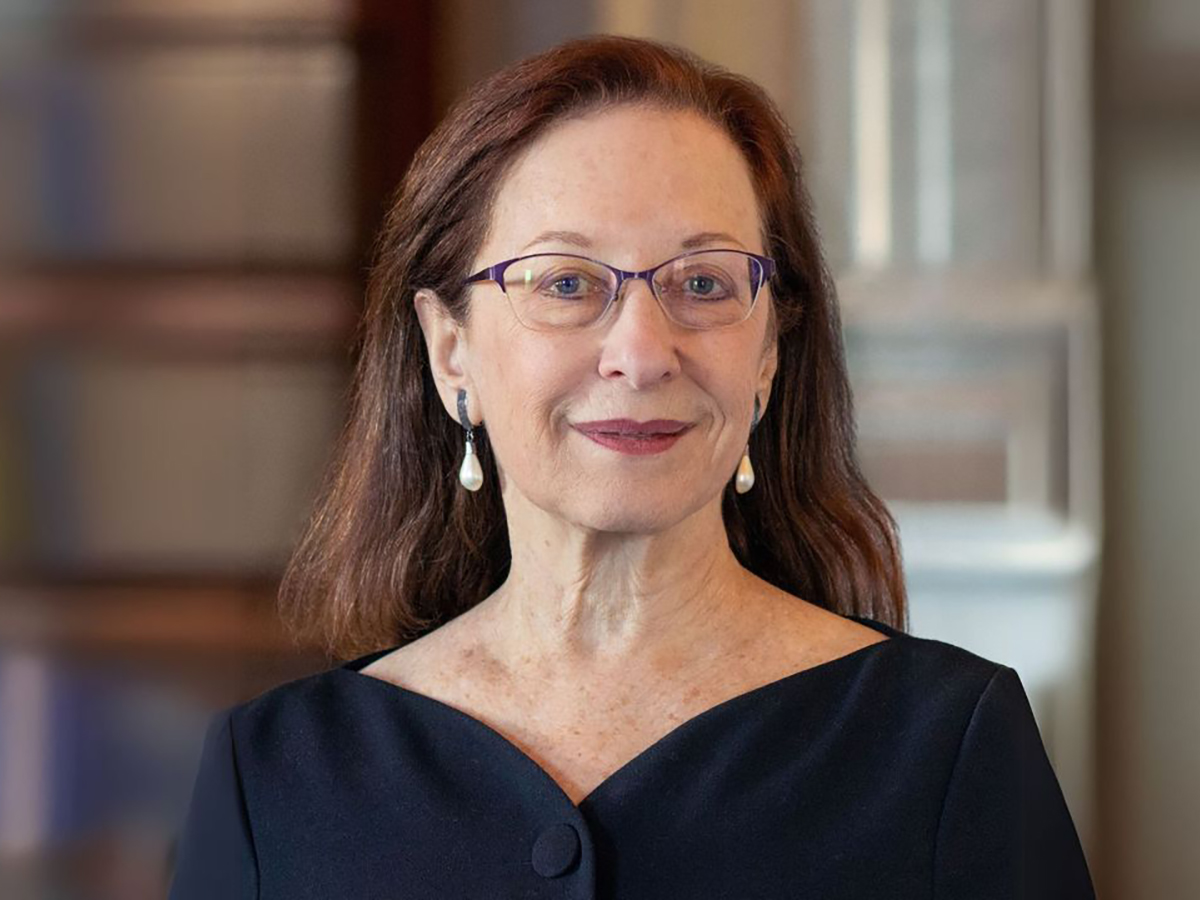
This week, Register of Copyrights and Director of the US Copyright Office Shira Perlmutter addressed several law and policy issues relevant to research libraries during a Copyright Office oversight hearing before the Senate Judiciary Subcommittee on Intellectual Property. The following sections summarize Perlmutter’s positions on issues relevant to research libraries, and the positions of ARL and the Library Copyright Alliance (LCA).
Perlmutter: The Copyright Office belongs in the Library of Congress.
Perlmutter explained that the Library of Congress is a natural home for the US Copyright Office (USCO) because of the overlap between the USCO’s mission to promote creativity and incentivize the creation of expressive works and the library’s mission to preserve culture and knowledge. The copyright system makes major contributions to the library’s collections via the deposit requirement; one-quarter of collections come from the copyright system without the need for Congress to appropriate money to the library for purchases. Moving the office would result in additional costs and disruption.
- LCA has long opposed the removal of the Copyright Office from the Library of Congress.
Perlmutter: Fair use is adequate to address issues of AI training; legislative amendment of Section 107 of the Copyright Act is not necessary.
Addressing fair use in the context of generative AI training, Perlmutter said the fair use doctrine seems to be adequately dealing with some of the issues involved in generative AI training—and unless and until it becomes clear that that’s not the case, legislation to amend Section 107 seems potentially premature. She reiterated the Copyright Office’s conclusion in part 3 of its report on AI and copyright: there is a strong fair use case when using copyrighted content to do research and analysis. Perlmutter suggested the uncertainty of fair use decisions in the courts is incentivizing copyright holders and AI model developers to determine their own licensing arrangements, without the need for congressional action.
- ARL continues to advocate for the protection of fair use for AI training, particularly in nonprofit educational and research contexts. LCA’s position is that the US Copyright Act can address issues at the intersection of AI and copyright without amendment.
Perlmutter: Legislation is necessary to address digital replicas.
In her verbal and written testimony, Perlmutter emphasized an urgent need for federal protection against unauthorized digital replicas, such as deepfakes of voices or likenesses.
- ARL has made the case that legislation on deepfakes should include exceptions for researchers and others to exercise their First Amendment rights.
Perlmutter: Enabling copyright owners to know when their works are being used to train AI models is a “critically important goal.”
Perlmutter expressed support for legislation allowing copyright owners to know when their works are being used in training AI models. According to Perlmutter’s testimony, the Transparency and Responsibility for Artificial Intelligence Networks Act (TRAIN Act) presents a creative alternative to other disclosure models, by creating a mechanism through the courts for rightsholders to force generative AI model developers to disclose copyrighted works used to train their models.
- While ARL has not explicitly opposed the TRAIN Act, we have explained how other disclosure bills are unworkable and undesirable for libraries.
Perlmutter: Some DMCA exemptions should be made permanent.
Perlmutter said the Copyright Office believes the time is ripe for Congress to consider making some exemptions to the Digital Millennium Copyright Act (DMCA) permanent, including for repairing farm machinery. The USCO has recommended that the Library of Congress adopt exemptions to allow owners to bypass digital locks to repair software-enabled functions in vehicles through the DMCA triennial rulemaking.
- ARL has proposed a broad, permanent DMCA exemption for accessibility uses.
Perlmutter: Legislation might be needed to fill a hole in copyright law where there used to be the possibility of contributory infringement.
According to Perlmutter, a legislative response might be necessary to address the “hole in the law” left by the recent US Supreme Court decision, Cox v. Sony. Perlmutter was referring to the March 2026 ruling that curtails contributory liability for copyright infringement for internet service providers (ISPs) when it cannot be shown that the ISP intended for the service to be used for a user’s alleged infringement. Perlmutter suggested that the ruling altered incentives for ISPs to make efforts to curb infringement, which the DMCA was intended to address.
- ARL would likely oppose any such legislation. The Library Copyright Alliance (LCA) joined a series of amicus briefs in the Cox v. Sony litigation in support of Cox and limited copyright contributory liability.
Perlmutter: Site-blocking bills like the Block BEARD Act might be necessary to protect creators from overseas websites primarily dedicated to copyright infringement.
During the hearing, Register Perlmutter expressed support for legislation like the Block Bad Electronic Art and Recording Distributors Act (Block BEARD Act), which would allow courts discretion to issue no-fault injunctions against websites primarily dedicated to copyright infringement and located abroad. In response to a question by Chairman Tillis, Perlmutter said the DMCA does not provide meaningful remedies to creators whose work has been copied without permission.
- LCA has participated in consultations with members of Congress to ensure that libraries are not subject to any legislatively imposed site-blocking requirements.
Perlmutter: The Copyright Claims Board is working well.
The Copyright Claims Board (CCB) is a voluntary small claims tribunal within the USCO through which rightsholders can pursue copyright disputes as an alternative to federal court. Perlmutter said the CCB has issued reasonable decisions, incentivized settlements and negotiations in licensing, and has improved respect for copyright around the country. USCO has proposed ways to streamline the process, which can lag because of the steps involved in implementing due process safeguards.
- LCA worked to ensure that libraries had the opportunity to preemptively opt out of proceedings before the CCB. The opt-out provisions appear to be working satisfactorily.